
Simultaneous Interpreting Services
Simultaneous interpreting is live translation delivered while the speaker is still talking, with a delay of only a few seconds. Interpreters work from a soundproof booth or an RSI platform in teams of two per language, swapping roughly every 20 to 30 minutes because the cognitive load makes longer stretches unreliable.
What is simultaneous interpreting?
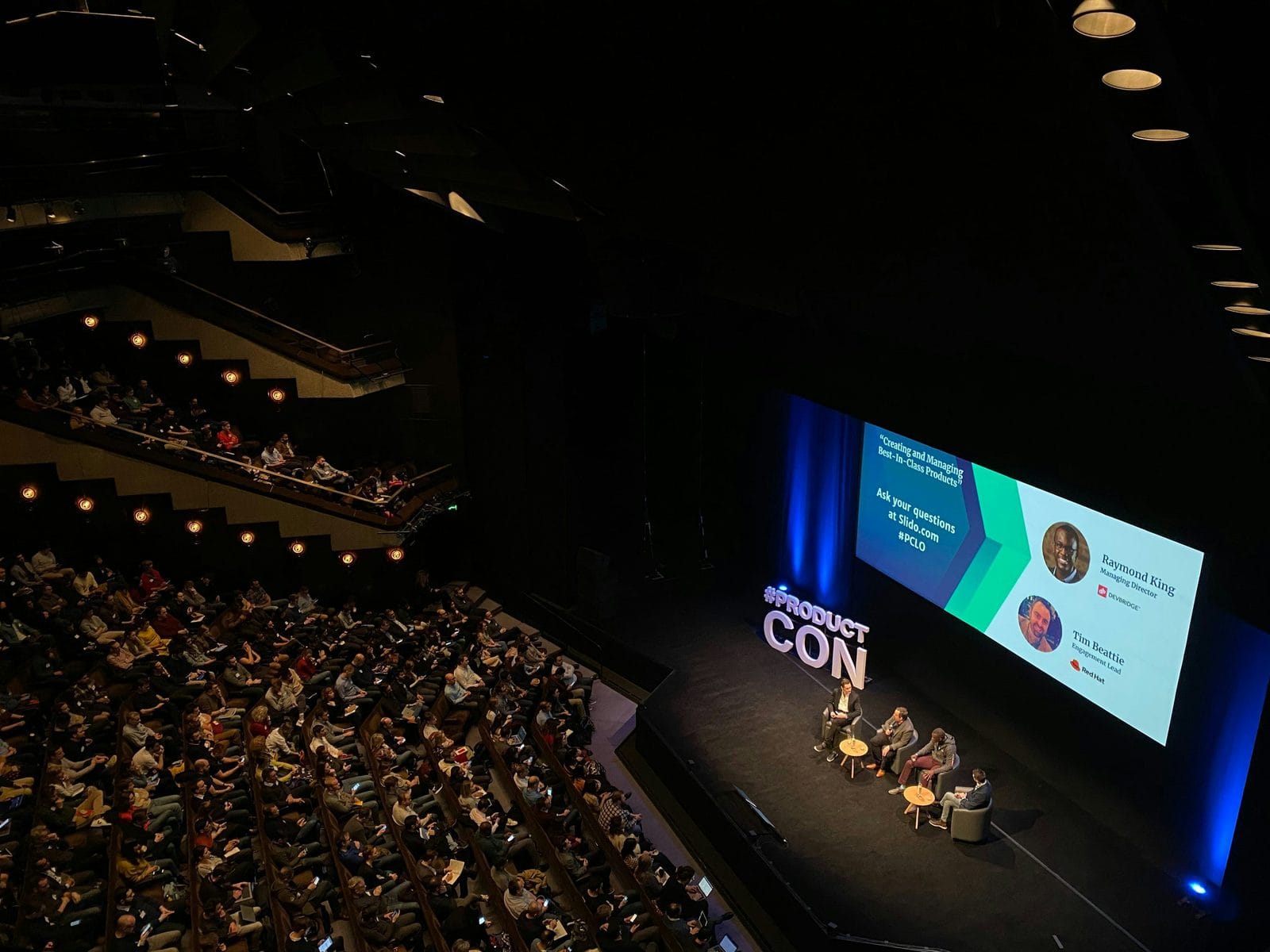
Simultaneous interpreting is the mode where the interpreter renders speech into another language while the speaker keeps going, typically three to five seconds behind. The audience listens on headsets and the event runs at its normal pace, which is why it is the default for conferences, shareholder meetings and anything broadcast live.
The mode exists because consecutive interpreting — where the speaker pauses and the interpreter repeats — doubles the length of every session. For a one-day conference with eight speakers, that is the difference between finishing at 17:00 and finishing at midnight.
The trade-off is infrastructure and headcount. Simultaneous needs sound isolation, a clean audio feed to the interpreter's ear, and a second interpreter to rotate with. Skipping any of the three is where most failed events go wrong.
How many interpreters does a simultaneous event need?
Two interpreters per language, per booth, for any session longer than about an hour. They alternate every 20 to 30 minutes. A single interpreter is only workable for short, low-stakes slots — accuracy measurably degrades after roughly 30 minutes of continuous simultaneous work.
A bilingual event running English and Portuguese needs one booth with two interpreters. Add Spanish and you add a second booth with two more. Trilingual events sometimes use relay, where the Spanish booth listens to the English output rather than the original Portuguese — workable, but it adds a second lag and demands tighter coordination.
- Up to 1 hour, single topic: one interpreter can cover it
- Half or full day: two interpreters per language, rotating
- Multi-track conference: one team per track, per language
- Relay setups: brief the pivot booth first, they carry the whole room
What equipment does simultaneous interpreting require?
On site you need an ISO-standard booth or a tabletop unit, an interpreter console per interpreter, a transmitter, and receivers with headsets for the audience. Remotely you need an RSI platform with a dedicated interpreter channel, plus wired internet and a cabled headset for every interpreter and speaker.
The single biggest quality variable is not the booth — it is the audio reaching the interpreter. A speaker on a laptop microphone in a reverberant room produces audio that no interpreter can work from cleanly, whatever the platform costs. Cabled headset microphones for anyone who will speak is the cheapest quality upgrade available to an organiser.
How far in advance should you book simultaneous interpreters?
Book four to six weeks out for a conference in a common language pair, and eight or more for rare pairs, peak season, or events needing specialised subject knowledge. Interpreters commit to full days, so the calendar closes earlier than most organisers expect.
Late bookings are often still possible — but the pool narrows to whoever is free rather than whoever is right for your subject, and that distinction shows up in the room.
What do interpreters need from you before the event?
Send the agenda, slide decks, speaker names, acronyms and any scripted passages at least 72 hours ahead. Preparation is where interpreting quality is actually created; the booth is only where it is delivered. Material arriving the night before still helps, but a week is materially better.
- Agenda with speaker names and running order
- Slides and any read-out statements, even in draft
- Glossary of product names, acronyms and internal terms
- Previous recordings, if the speakers are regulars
- Contact for the AV team or platform host
Frequently asked questions
Is simultaneous interpreting the same as live translation?
In everyday use, yes — but the industry reserves 'translation' for written text and 'interpreting' for speech. If you are asking for live translation of a spoken event, simultaneous interpreting is the service you want.
Can one interpreter cover a full day alone?
No. Simultaneous interpreting is sustainable for roughly 20 to 30 minutes at a time, which is why teams of two are standard for any session beyond an hour. A solo interpreter across a full day produces measurable errors by the afternoon.
Does simultaneous interpreting work for hybrid events?
Yes. The usual setup places interpreters either in the venue booth or remotely on an RSI platform, with the interpreted audio fed both to in-room receivers and to the online audience's language channel.
Which languages does Leader Translations cover simultaneously?
The core pairs are English, Portuguese and Spanish in every direction, with Chinese, French, German, Italian and other pairs arranged per event. Tell us the pair and the date and we will confirm availability.
Tell us the date, the languages and the room
Send the agenda and we will come back with the team size, the equipment your venue needs, and what it costs.
Request a quote